Functional training zone in a club: where to start
A functional zone starts with deciding what should happen in it, not with an equipment list. Here is an order of steps that works well in clubs.
- Author
- Piotr Gajewski
- Published

A functional zone is usually 40 to 80 m2 carved out of an existing club, most often at the expense of machines that nobody used. We start by asking what classes are to take place there: a circuit for twelve people, personal training, or open access for club members. The answer determines everything you buy next.
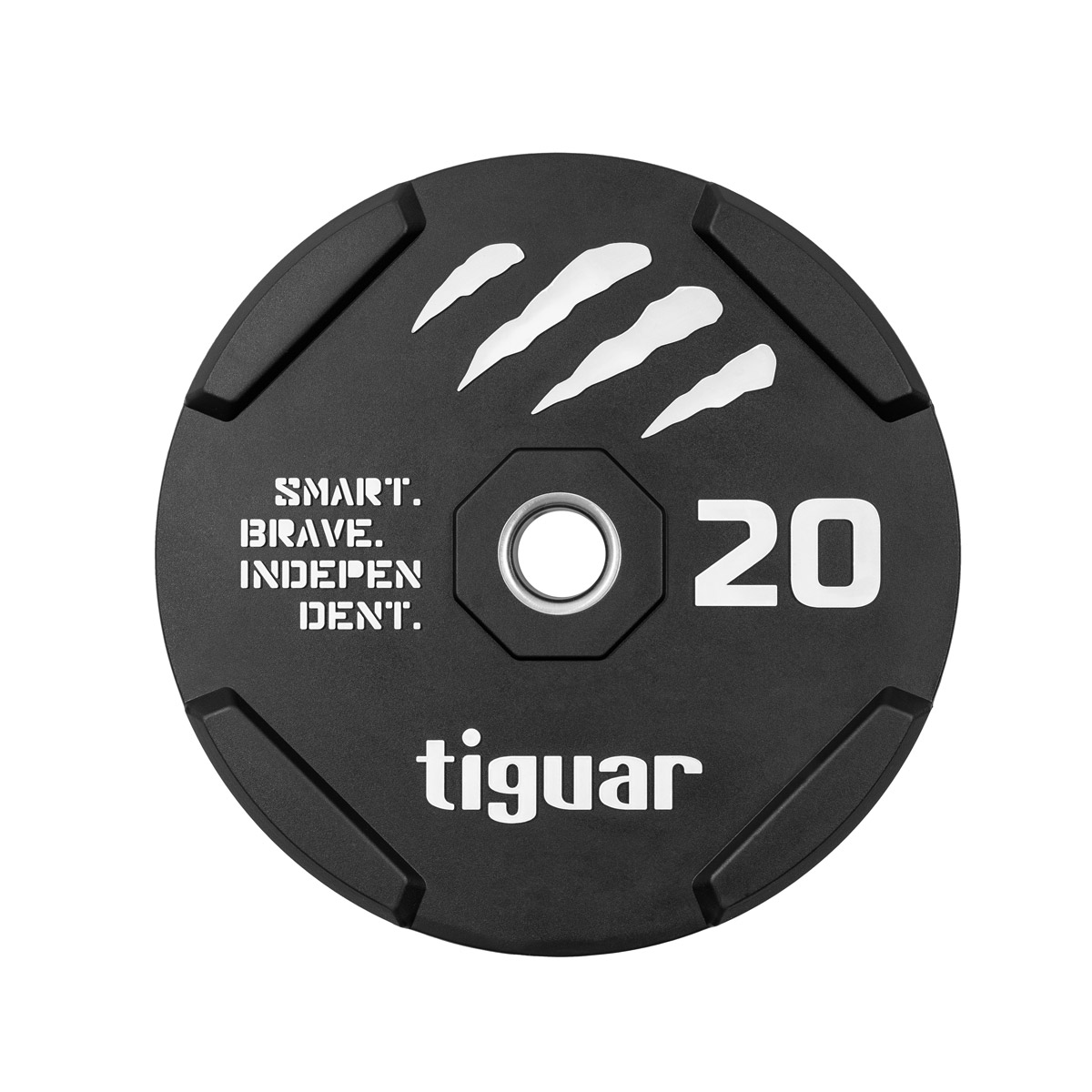
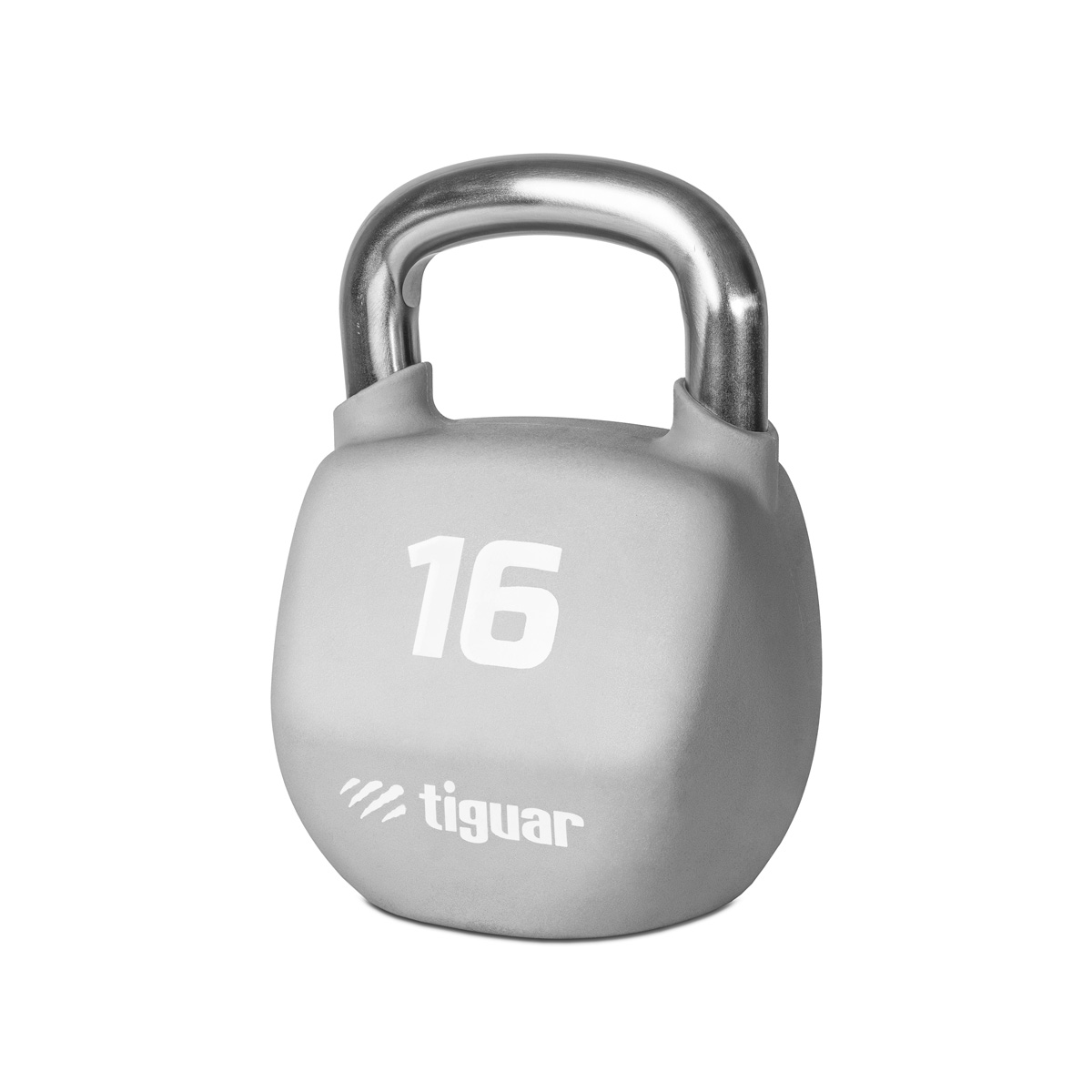
The first equipment is not what looks best in photos. We start with kettlebells ranging from 8 to 16 kg, a set of PU dumbbells, and one platform with bumpers. This set handles most exercises a trainer will run in a circuit, and it works hard from day one.
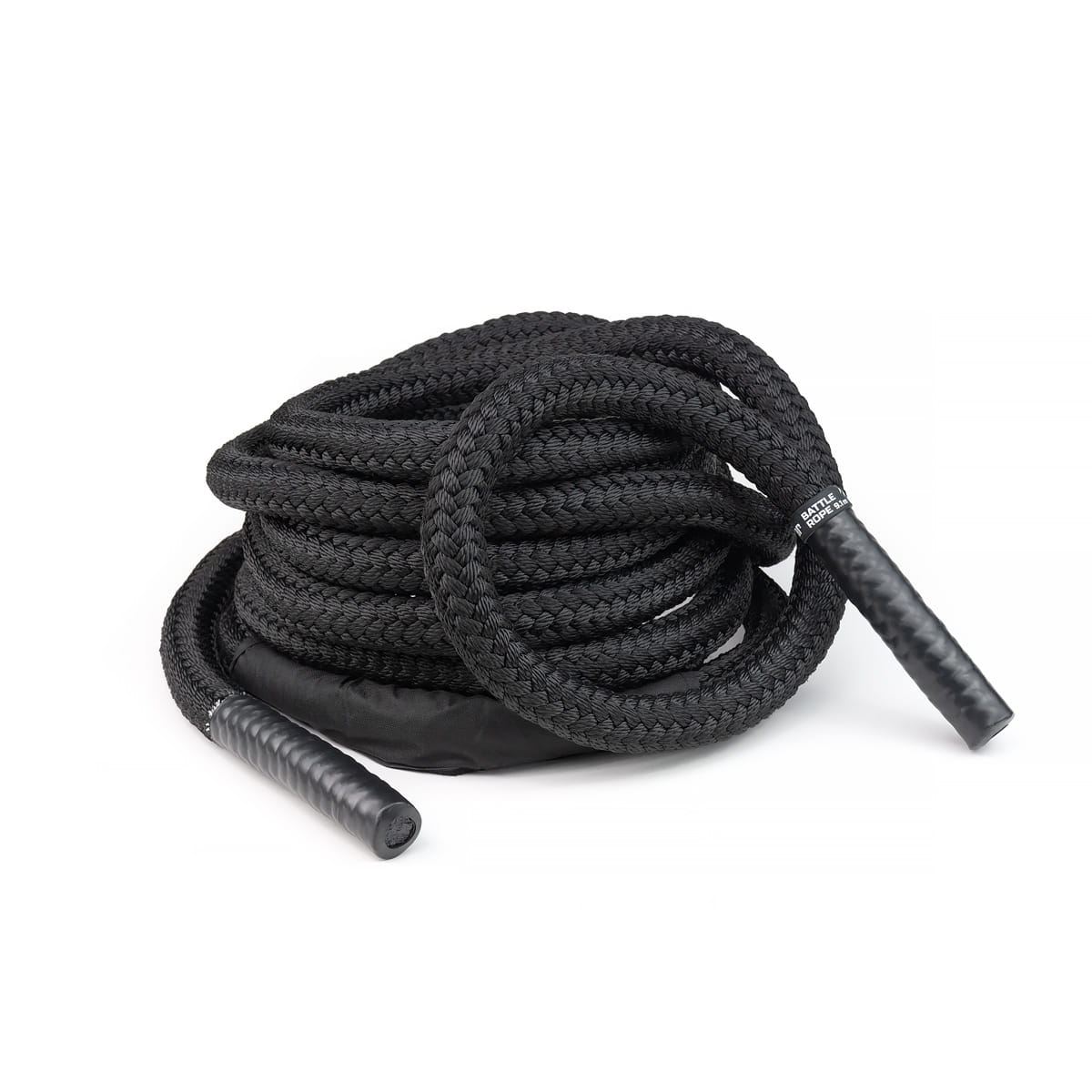
A battle rope is the most cost-effective way to get the heart rate up in a small zone. The 9.1-metre version fits where there is no room for a full fifteen, requiring only an anchor point and a clear strip of floor. It is worth planning this strip before you set up the racks, because later there is usually nowhere left to move it.
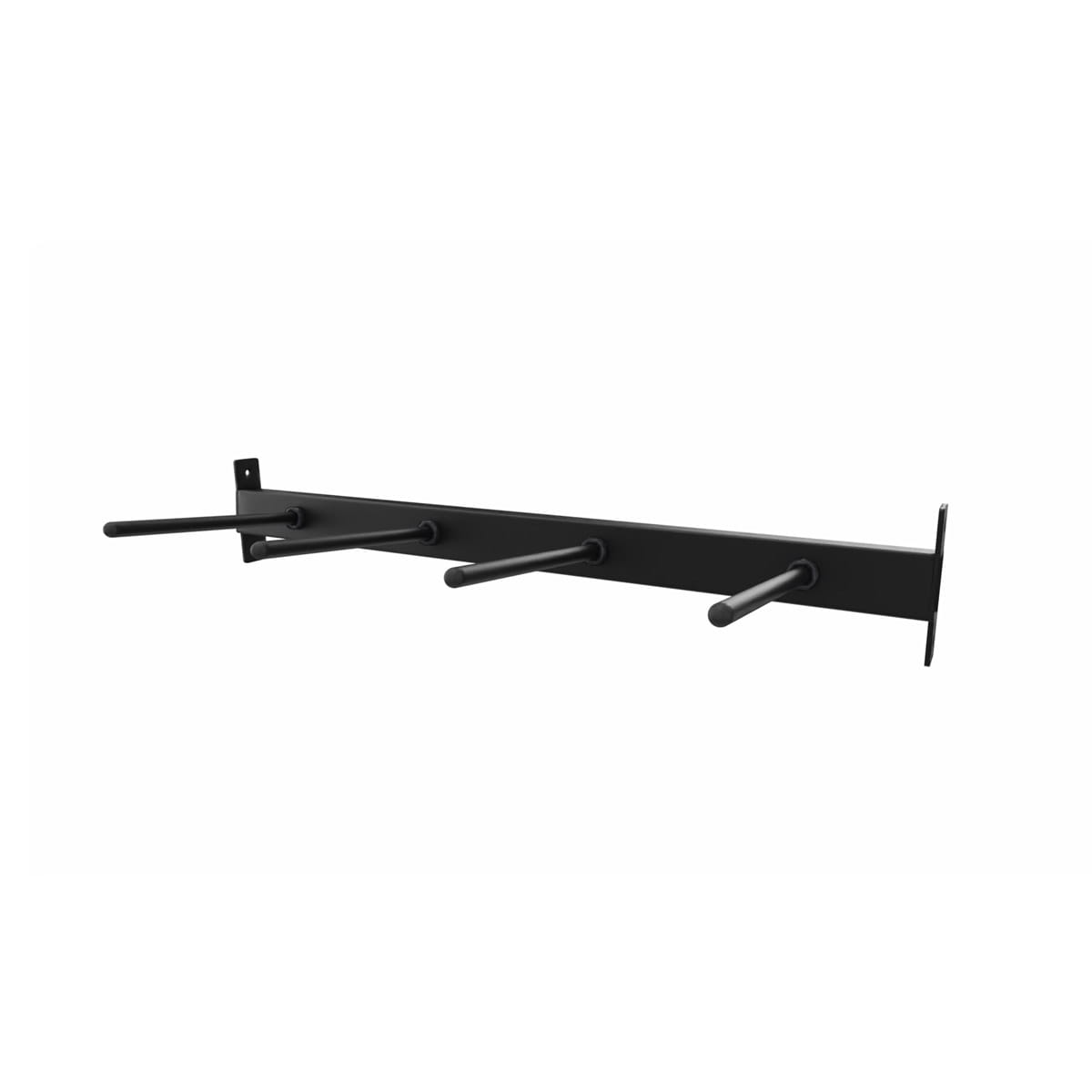
Storage is not an extra, it is a requirement for the zone to survive its first season. A plate bar, a barbell holder, and a mat rack placed along one wall ensure that equipment goes back to its place after class. In a zone without a storage system, a trainer wastes several minutes every hour picking up equipment from the floor.
The last step is the layout, not shopping. Leave a clear walkway at least one and a half metres wide, separate the rope track from the platform, and position the kettlebell station where it does not block the entrance. We create a 3D visualization before ordering, so you can check this layout on the screen, not on the gym floor.